Glucomannan Benefits: The Fiber for Fullness & Weight Management (2026)
Exploring glucomannan benefits for natural appetite control? You’re not alone. In a world of complex weight management solutions, this simple soluble fiber from the konjac root has garnered significant scientific attention and regulatory approval for its ability to promote satiety. This comprehensive 2026 guide examines the evidence behind glucomannan for weight management, optimal usage protocols, and how it functions synergistically within advanced formulations like MITOLYN.
What is Glucomannan? Understanding Konjac Root Fiber
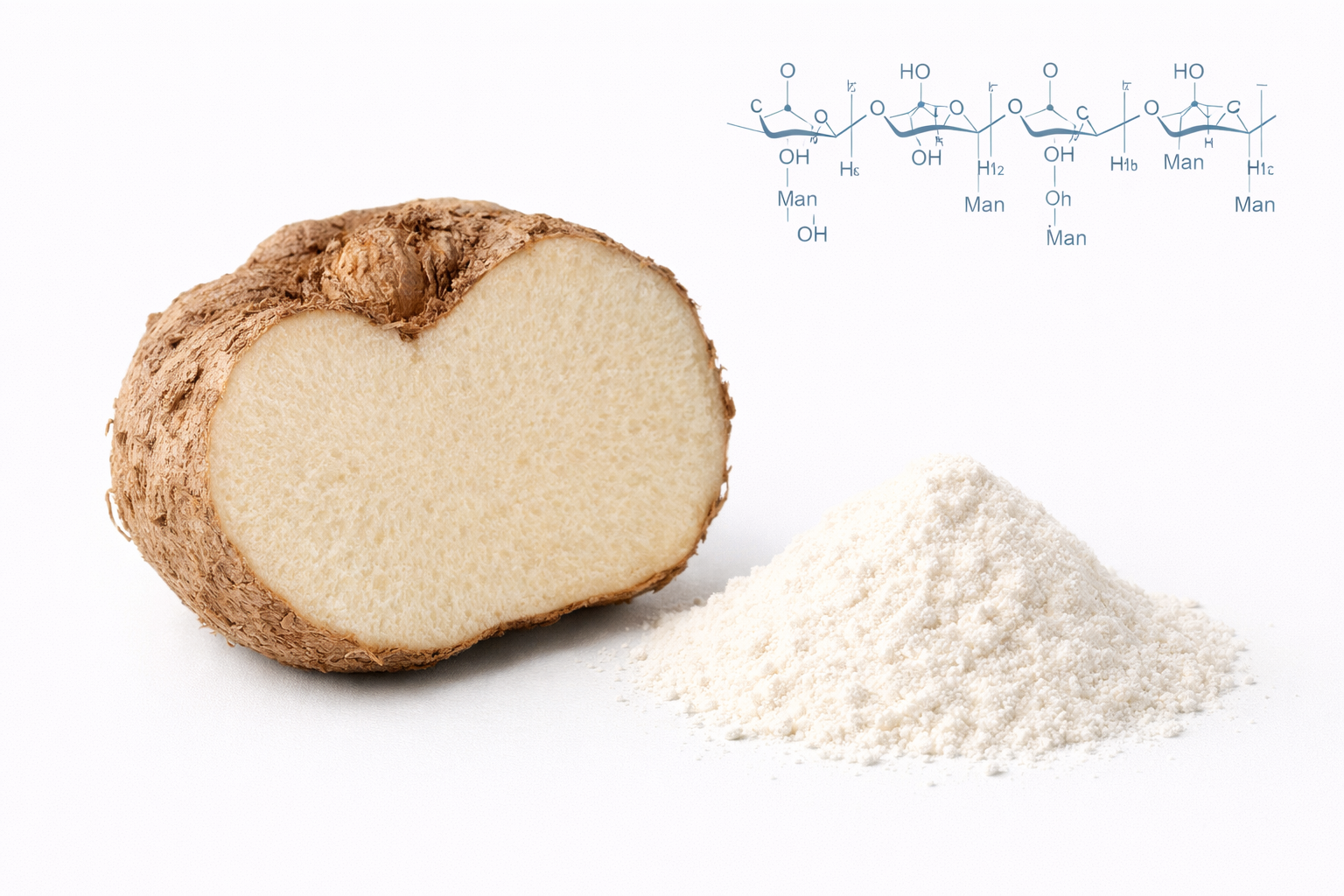
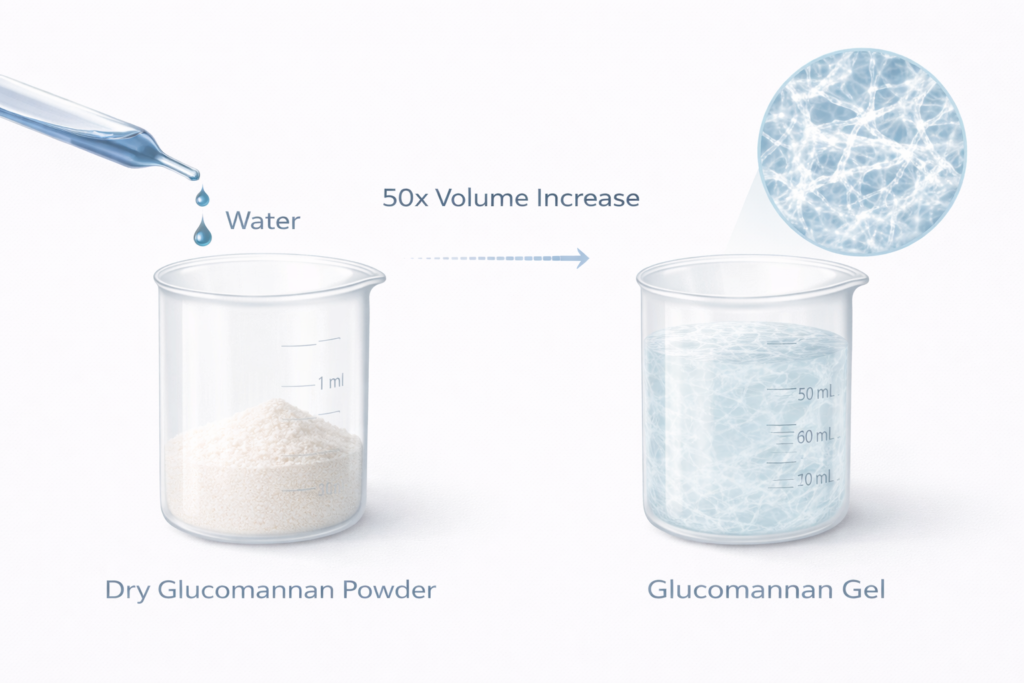
Glucomannan is a water-soluble dietary fiber extracted from the root of the konjac plant (Amorphophallus konjac), native to Southeast Asia. Chemically, it’s a polysaccharide composed of mannose and glucose units, but its practical importance lies in its extraordinary physical properties. Glucomannan benefits stem primarily from its exceptional viscosity and water-absorbing capacity—it can absorb up to 50 times its weight in water, forming a thick, gel-like substance in your digestive tract.
Historically used in traditional Asian cuisine and medicine, modern science has validated what ancient practitioners observed: this unique fiber significantly impacts satiety and digestive health. Unlike many fibers that pass through the digestive system with minimal interaction, glucomannan’s gel-forming property creates tangible physical effects that contribute to its appetite-reducing glucomannan benefits.
The Science Behind Glucomannan Benefits for Fullness and Weight Management
Understanding how glucomannan works requires examining both its physical and physiological effects:
Mechanism 1: Physical Bulking and Gastric Emptying Delay
When mixed with water, glucomannan expands substantially in your stomach. This physical bulk:
- Activates stretch receptors that signal fullness to your brain
- Slows gastric emptying, prolonging satiety signals
- Creates a physical barrier that may slow nutrient absorption
Mechanism 2: Hormonal Satiety Signaling
Research indicates glucomannan may influence appetite-regulating hormones:
- May increase cholecystokinin (CCK), a hormone that promotes satiety
- Could moderate ghrelin (“hunger hormone”) secretion
- May improve insulin sensitivity, stabilizing blood sugar and reducing cravings
Mechanism 3: Calorie Dilution and Reduced Absorption
The glucomannan gel can bind to dietary fats and sugars in the digestive tract, potentially reducing their absorption. While this effect is modest, it contributes to the overall weight management glucomannan benefits.
The European Food Safety Authority (EFSA) has formally recognized these mechanisms, approving the health claim that “glucomannan contributes to weight loss in the context of an energy-restricted diet.” This regulatory endorsement, detailed in the EFSA’s scientific opinion on glucomannan, underscores the evidence-based nature of glucomannan benefits for weight management.
Clinical Evidence: Does Glucomannan Actually Support Weight Loss?
The scientific literature provides substantial support for glucomannan benefits in weight management contexts:
Meta-Analysis Findings
A comprehensive meta-analysis published in the American Journal of Clinical Nutrition examined 14 randomized controlled trials involving glucomannan supplementation. The analysis concluded that glucomannan supplementation resulted in:
- Significant reductions in body weight compared to placebo
- Decreases in waist circumference
- Improvements in cholesterol profiles
- No serious adverse effects reported
Dosage-Dependent Effects
Research consistently shows that glucomannan benefits are dose-dependent. Studies demonstrating significant effects typically used 3-4 grams daily, divided into multiple doses taken before meals with ample water.
Long-Term Sustainability
Unlike stimulant-based appetite suppressants, glucomannan for weight management shows promise for sustainable use. Its mechanical action doesn’t lead to tolerance development, and it addresses one of the fundamental challenges in weight management: managing hunger while consuming fewer calories.
Optimal Glucomannan Dosage and Administration Protocol
Maximizing glucomannan benefits requires precise implementation:
Effective Dosage Ranges
- Weight Management: 3-4 grams daily, divided into 3 doses (1-1.3g each)
- General Health/Mild Satiety: 1-2 grams daily
- Cholesterol Support: 4 grams daily (as adjunct therapy)
Critical Timing and Administration
- 30-60 Minutes Before Meals: Take glucomannan with 2 full glasses (16 oz) of water
- Adequate Hydration: Insufficient water intake can reduce effectiveness and increase choking risk
- Consistent Schedule: Take before your 2-3 largest meals for optimal satiety effects
Form Considerations
- Capsules: Most convenient but ensure adequate water intake
- Powder: Allows precise dosing but requires thorough mixing
- Food Products: Konjac-based noodles and foods provide fiber but less concentrated doses
Safety Profile: Glucomannan Side Effects and Precautions
While generally safe, understanding potential glucomannan side effects ensures responsible use:
Common Side Effects
- Digestive Adaptation: Mild bloating or gas during initial use (typically subsides within 1-2 weeks)
- Loose Stools: Especially with inadequate water intake
- Fullness Discomfort: If taken without sufficient water or in excessive doses
Serious Safety Considerations
- Choking Risk: Glucomannan expands rapidly. Always take with ample water and never take in dry form.
- Medication Interactions: May interfere with absorption of oral medications. Take medications 2-4 hours before or after glucomannan.
- Intestinal Obstruction Risk: Contraindicated in individuals with gastrointestinal narrowing or history of bowel obstruction.
- Surgery: Discontinue at least 2 weeks before any surgical procedure.
The U.S. National Institutes of Health provides comprehensive safety guidelines for weight management supplements, including important considerations for fiber-based approaches like glucomannan.
Beyond Weight Management: Additional Glucomannan Benefits
While glucomannan for weight loss receives most attention, research suggests additional health benefits:
Cholesterol Management
Multiple studies indicate glucomannan can reduce total cholesterol and LDL (“bad”) cholesterol by binding to bile acids in the intestine, forcing the liver to use cholesterol to produce more bile acids.
Blood Sugar Regulation
By slowing carbohydrate absorption, glucomannan may help moderate post-meal blood sugar spikes, potentially benefiting insulin sensitivity.
Digestive Health
As a prebiotic fiber, glucomannan may support beneficial gut bacteria, though research is less extensive than for other prebiotic fibers.
Skin Health
Topical konjac glucomannan sponges have gained popularity for gentle exfoliation, though this represents a different application than internal use.
Glucomannan in Intelligent Formulation: The MITOLYN Synergy
In sophisticated supplement design, glucomannan rarely works alone. Its integration into comprehensive formulas like MITOLYN demonstrates how glucomannan benefits are amplified through strategic combination:
1. Dual Satiety Mechanisms in MITOLYN
While glucomannan provides physical fullness through gastric bulking, other MITOLYN ingredients like 5-HTP address neurochemical appetite signals. This dual approach targets both the physical sensation of hunger and the psychological drivers of eating.
2. Enhanced Fiber Effectiveness
MITOLYN’s formulation potentially enhances glucomannan’s effects by including digestive enzymes that may improve fiber metabolism and nutrient partitioning.
3. Comprehensive Metabolic Support
Glucomannan’s blood sugar moderating effects complement other metabolic supporters in MITOLYN, creating more stable energy levels throughout the day—a key factor in sustainable weight management.
4. Safety and Tolerance Optimization
The balanced formulation in MITOLYN may mitigate common glucomannan side effects like initial digestive discomfort through careful dosing and complementary ingredients.
This integrated approach exemplifies why glucomannan benefits are maximized in comprehensive formulations. For a detailed examination of how glucomannan synergizes with other metabolic supporters, our complete MITOLYN analysis of ingredient synergy and 2026 clinical perspectives provides valuable insights.
Practical Guide: How to Incorporate Glucomannan Effectively
Implementing glucomannan benefits into your routine requires strategy:
Starting Protocol
- Week 1: 500mg, 3 times daily before meals with 16 oz water
- Week 2: Increase to 1g, 3 times daily if well-tolerated
- Maintenance: 1-1.3g, 3 times daily before main meals
Meal Planning Integration
- Time your glucomannan doses 30 minutes before planned meals
- Ensure meals are nutrient-dense to prevent potential nutrient malabsorption
- Maintain adequate protein intake to preserve lean muscle mass during weight management
Long-Term Strategy
- Consider cycling (e.g., 5 days weekly) to maintain effectiveness
- Monitor hydration status—increase water intake during exercise or hot weather
- Regular check-ins on appetite response and adjust dosage as needed
Frequently Asked Questions (FAQ)
Q: How quickly does glucomannan work for appetite control?
A: Most people notice increased fullness within the first few doses when taken correctly with ample water before meals. For measurable weight management effects, allow 4-8 weeks of consistent use alongside a balanced diet.
Q: Can I take glucomannan if I have diabetes?
A: Glucomannan may help moderate blood sugar spikes, but it’s crucial to monitor glucose levels closely and consult your healthcare provider, as it may interact with diabetes medications.
Q: Is glucomannan safe for long-term use?
A: Research suggests glucomannan is safe for extended use when taken as directed with sufficient water. However, periodic breaks (e.g., 1 week off every 3 months) may help maintain digestive system responsiveness.
Q: Does glucomannan interfere with vitamin absorption?
A: Like many fibers, glucomannan may reduce absorption of some fat-soluble vitamins (A, D, E, K) if taken simultaneously. Take supplements at different times, and ensure a nutrient-dense diet.
Q: How does glucomannan compare to psyllium husk for fullness?
A: Both are soluble fibers promoting fullness, but glucomannan has superior water-absorbing capacity (50x vs 10x for psyllium). Glucomannan may provide more pronounced satiety effects, while psyllium is often preferred for general digestive regularity.
Q: Can I cook with glucomannan powder?
A: Yes, glucomannan is used as a thickening agent in cooking. However, supplement doses for appetite control are best taken separately from meals to ensure proper expansion and satiety signaling.
2026 Verdict: Are Glucomannan Benefits Substantiated?
After evaluating current evidence, clinical data, and practical applications:
Glucomannan represents one of the most scientifically-validated natural fibers for promoting satiety and supporting weight management efforts. Its mechanisms are well-understood, its safety profile is established when used properly, and it has earned regulatory recognition for its efficacy.
Who Should Consider Glucomannan:
- Individuals seeking natural appetite control between meals
- Those following calorie-restricted diets who struggle with hunger
- People preferring mechanical appetite solutions over stimulant-based approaches
- Anyone looking to increase soluble fiber intake for general health
Who Should Exercise Caution:
- Individuals with swallowing difficulties or esophageal issues
- Those with gastrointestinal obstructions or narrowing
- People taking multiple daily medications (requires timing separation)
- Anyone unwilling to consume adequate water with each dose
The 2026 Perspective on Glucomannan Benefits
The evolving understanding of glucomannan benefits emphasizes:
- Importance of proper administration (water intake, timing, dosage)
- Value of synergistic formulation rather than isolated use
- Role within comprehensive lifestyle approaches rather than as a standalone solution
- Growing recognition of individual variability in fiber response
When implemented correctly—with attention to hydration, timing, and realistic expectations—glucomannan benefits can meaningfully support weight management and appetite regulation goals. Its thoughtful integration into evidence-based formulations like MITOLYN further demonstrates how traditional fibers find new relevance in modern metabolic science.
For those interested in how glucomannan functions within a complete metabolic support system, explore two resources:
- Our detailed MITOLYN ingredient analysis and 2026 efficacy review for comprehensive scientific assessment
- The official MITOLYN website for current formulation details to examine how glucomannan is utilized in practice